
Cross-Site Scripting, commonly known as XSS, is one of the main threats to web application security, allowing an attacker to inject malicious code into content displayed in the user's browser.
There are three main variations of XSS: Reflected XSS, Stored XSS, and DOM-based XSS.
Let's detail each of these vulnerabilities and also discuss prevention measures to mitigate them. Remember, to learn this technique and many others, check out our cybersecurity training platform: https://hackersec.com/academy/
Reflected XSS
Reflected XSS occurs when malicious code is injected into a web page through an unvalidated input. The server returns the data provided by the user without any sanitization, allowing the code to execute in the user's browser.
A classic example of Reflected XSS is:
https://www.example.com/?name=<script>alert(1)</script>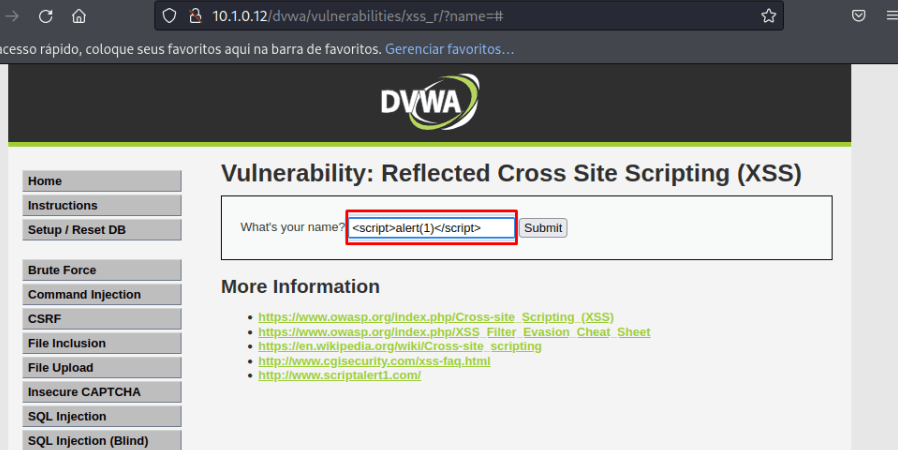
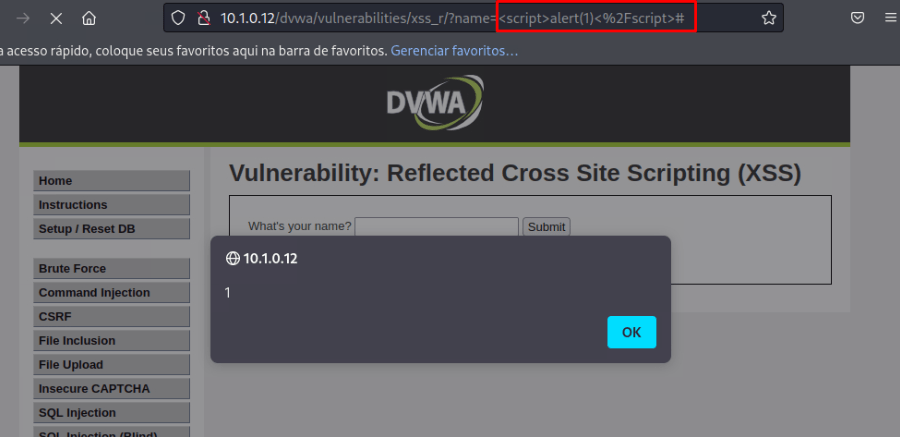
In this case, the JavaScript code is injected into the search query and executed immediately when the page loads. To mitigate this type of XSS, it's essential to validate and sanitize all user inputs.
Stored XSS
Stored XSS occurs when malicious code is stored on the server and displayed to users later. This can happen in comment sections, user profile fields, or other areas where provided data is shown to other users.
An example of Stored XSS is:
<script>alert(1)</script>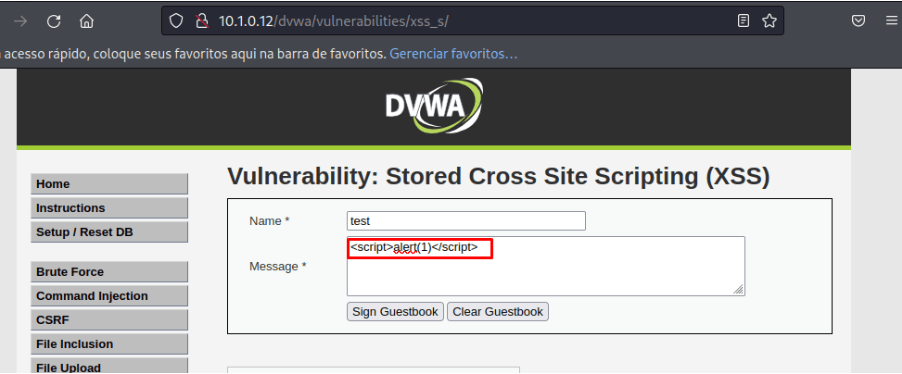
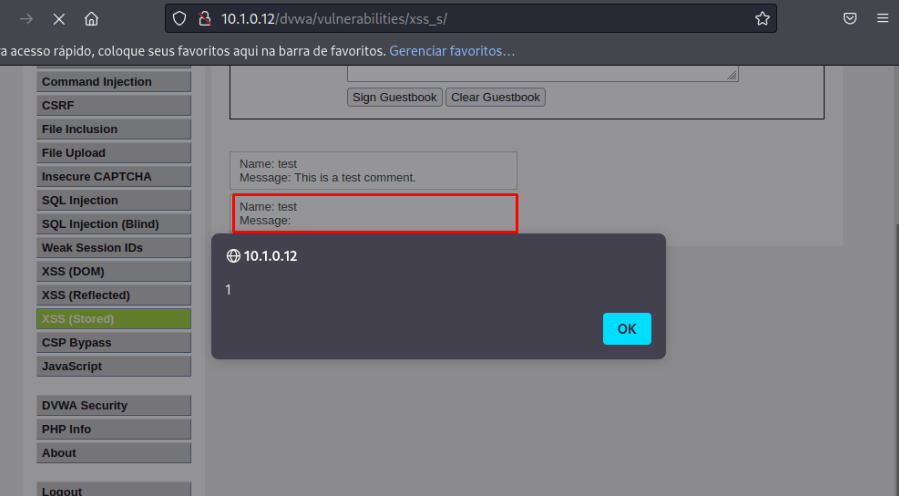
In this case, a malicious user inserts the code into a comment field. When other users view the comment, the code executes automatically. To mitigate Stored XSS, it is crucial to properly filter and escape all output data.
DOM-based XSS
DOM-based XSS occurs when malicious code is injected into the Document Object Model (DOM) of a web page through client-side manipulation. This happens when JavaScript code executes based on real-time DOM manipulations. An example of DOM-based XSS is:
https://www.example.com/?default=<script>alert(1)</script>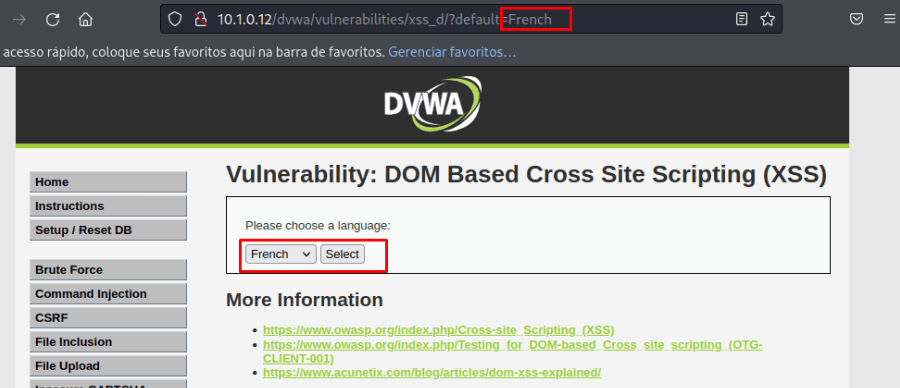
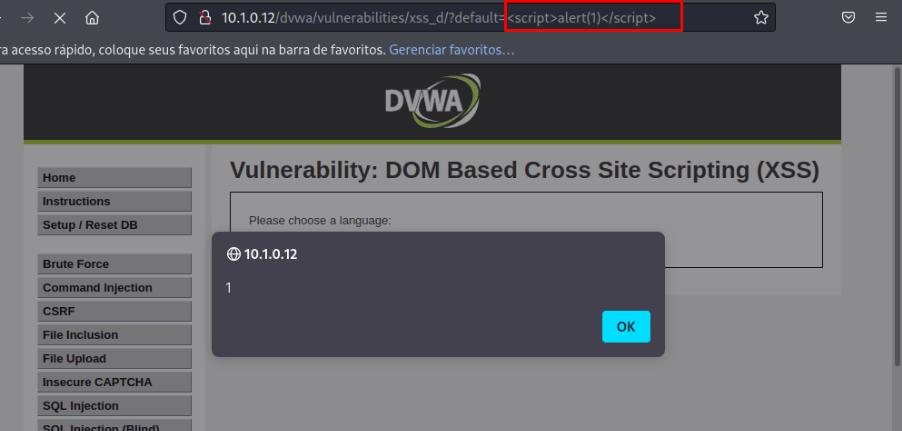
In this example, the JavaScript code is injected into the URL anchor part. When the page loads, the JavaScript executes directly in the browser. To mitigate DOM-based XSS, it's necessary to validate and properly escape data manipulated on the client side.
Assessing Your Company's Security
In addition to understanding how this type of attack works and how to mitigate it, it's also worthwhile to test your company's cybersecurity with HackerSec specialists. To learn more about our solutions for businesses, visit: https://hackersec.com/empresas/
Prevention Measures
To avoid XSS vulnerabilities and their variations, it is recommended to adopt the following measures: Validate and sanitize user inputs. Use secure parameters and escape special characters. Configure HTTP headers to restrict content. Utilize appropriate output contexts. Keep software and libraries updated. Promote awareness, conduct regular testing, and monitor for XSS.
All tests were conducted in the HackerSec CTF labs: https://hackersec.com/ctf/